
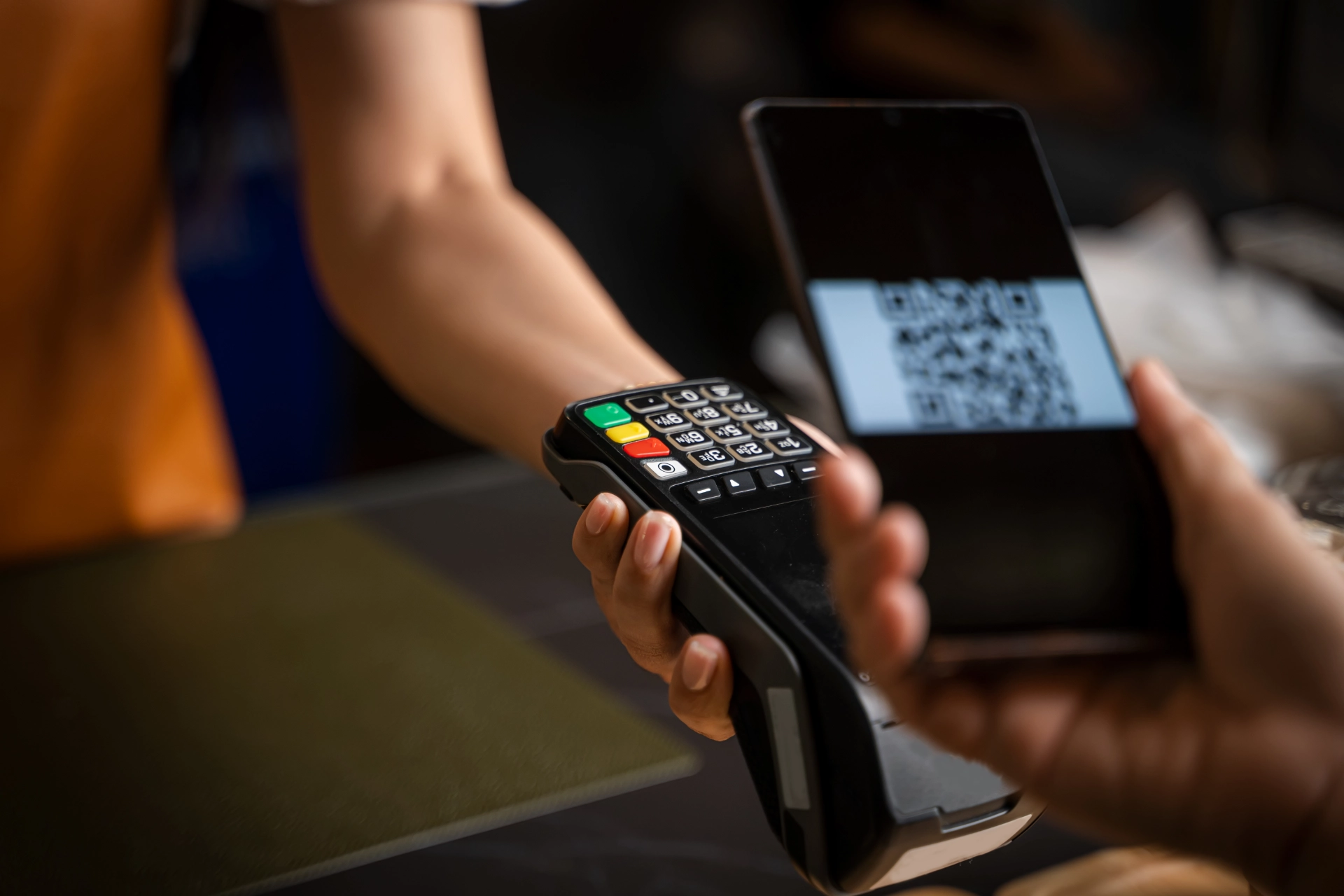
How fintech innovations are shaping faster, safer, and more inclusive transactions across the globe.
Introduction
Digital payments are no longer just a convenience—they’ve become the backbone of modern financial ecosystems. From tap-to-pay cards to mobile wallets and real-time cross-border transfers, the way people transact is evolving faster than ever. But what does the future really look like for businesses and consumers?
1. The Shift to Cashless Societies
Countries worldwide are embracing digital-first economies. Mobile wallets, QR codes, and biometric payments are replacing cash, offering speed and security. In emerging markets, this shift also drives financial inclusion by giving the unbanked easier access to financial services.
2. The Rise of Real-Time Transactions
No one wants to wait days for transfers anymore. Real-time payment networks are becoming standard, enabling instant settlement for both local and international transactions. This evolution benefits businesses with improved cash flow and customers with immediate financial control.
3. Security and Trust Remain the Cornerstones
As digital adoption grows, so do risks. Advanced encryption, tokenization, and multi-factor authentication are critical to protecting users. Future innovations like blockchain and decentralized identity will push security standards even further, building greater trust in digital payments.
4. Cross-Border Payments Made Simple
Traditionally slow and expensive, international payments are being redefined by fintech solutions. Seamless integrations and blockchain-powered networks allow people to transfer money globally with lower fees, faster speeds, and greater transparency.
Conclusion
The future of digital payments is about more than just speed and convenience—it’s about inclusivity, trust, and global connectivity. Businesses that adapt early will gain an edge, while consumers will enjoy greater flexibility and confidence in managing their money.